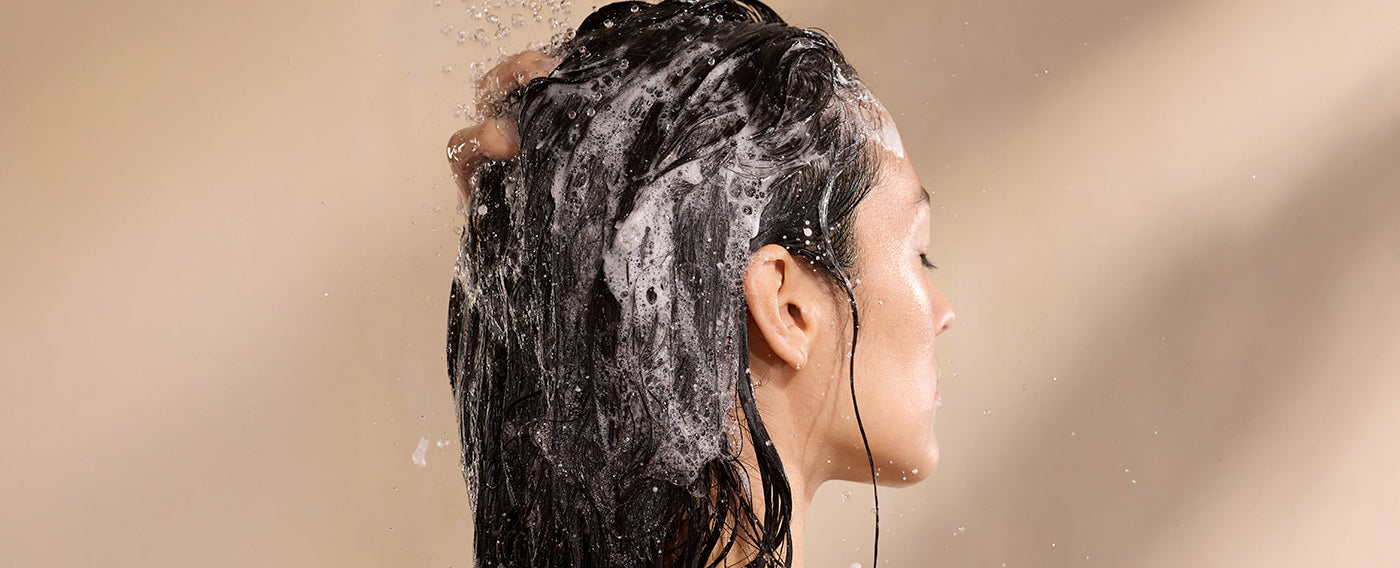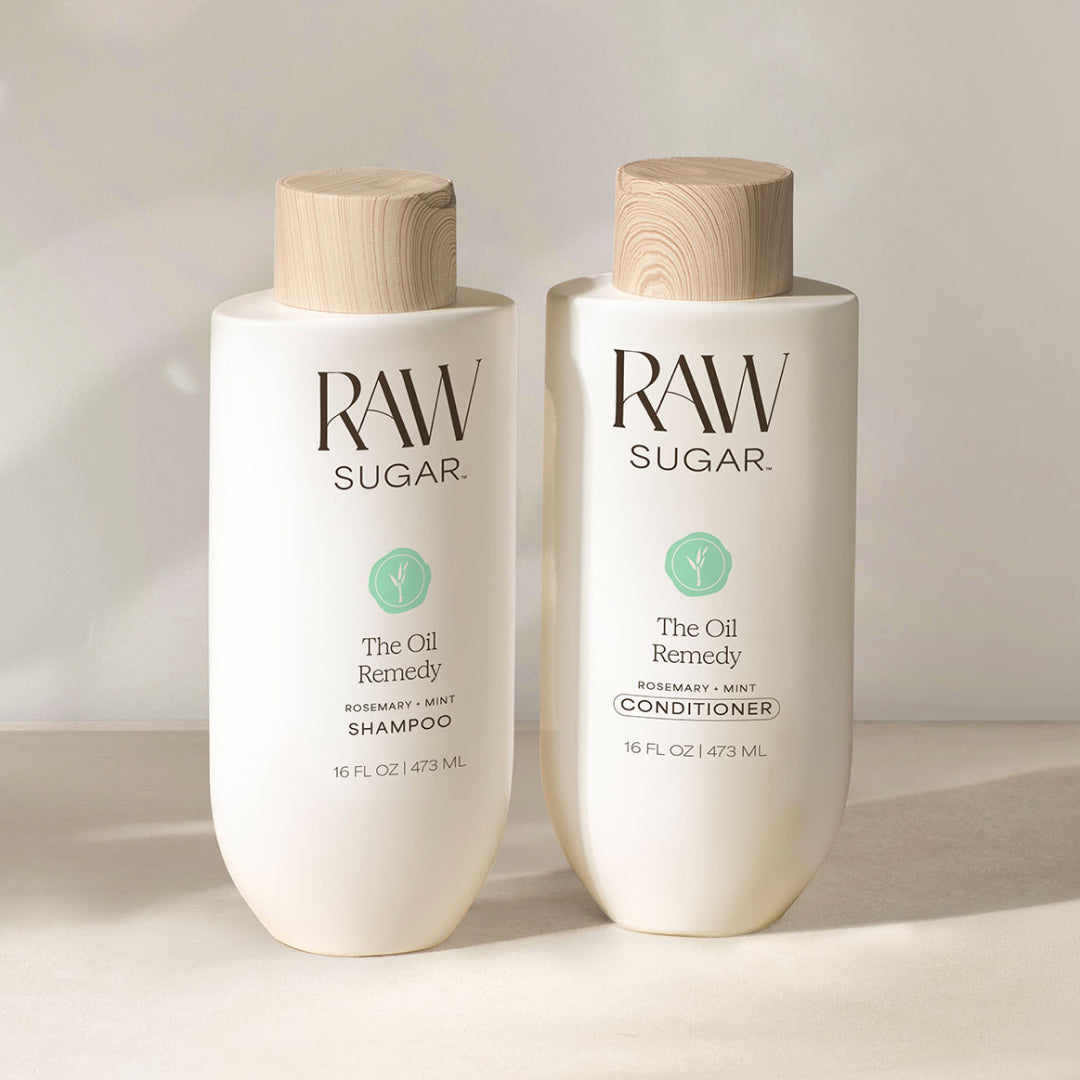



Most people obsess over their ends and products like serums, masks, and heat protectants, while overlooking the actual foundation of healthy-looking hair: the scalp. Because healthy hair starts at the root, issues like itching, flaking, oiliness, congestion, thinning-looking hair, or slow-to-show results from styling can often be connected to what’s happening on the scalp. If you’ve wondered does scalp health affect hair growth, here’s the simple truth: a clean, comfortable, balanced scalp environment can help hair look fuller, feel fresher, and style better, while scalp discomfort can make your routine feel like an uphill battle.
Why Scalp Health Matters for Hair Growth
Does scalp health affect hair growth?
Scalp health and the appearance of hair growth are closely connected because hair emerges from follicles located within the scalp. When the scalp is comfortable and balanced, hair can look and feel its best. When the scalp is irritated or congested, hair may look flatter, duller, or be harder to style. For medical guidance on scalp conditions that can affect hair, consult trusted resources like the American Academy of Dermatology or Cleveland Clinic.
Think of the scalp as skin, because it is. Like facial skin, it benefits from being clean, balanced, and well cared for. Hair follicles sit within this skin, and buildup from products or minerals, excess oil, or ongoing irritation can create an unbalanced environment around those follicles. While everyday cosmetic haircare can’t diagnose or treat medical concerns, keeping the scalp fresh and comfortable can help your hair look cleaner, smoother, and more responsive to your routine.
Common Scalp Issues and What Causes Them
What causes an itchy scalp?
An itchy scalp can be associated with dryness, product buildup, sensitivity to certain ingredients, or common skin conditions like seborrheic dermatitis. A dermatologist can provide diagnosis and treatment recommendations. For symptom overviews, see the American Academy of Dermatology and Cleveland Clinic.
What causes a dry scalp?
Dry scalp can be associated with cold weather, low humidity, frequent washing, or harsher surfactants. It’s distinct from dandruff, which often relates to oilier scalps and flaking. For medical context and symptom distinctions, see Cleveland Clinic and the American Academy of Dermatology.
Dry Scalp
Dry scalp may be linked to weather shifts, low humidity, over-washing, or strong surfactants in some shampoos. It’s often confused with dandruff, but they’re not the same. Dry scalp tends to involve smaller, dry flakes and tightness, while dandruff is frequently associated with oily flakes and scaling.
Itchy Scalp
Itching can be related to dryness, product residue, sensitivity to ingredients, or skin conditions such as seborrheic dermatitis. Persistent itching, visible irritation, or symptoms like redness are a sign to consult a dermatologist for evaluation and care.
If you suspect seborrheic dermatitis or another diagnosed condition, such as psoriasis, eczema, or folliculitis, a clinical assessment is important. See the American Academy of Dermatology or Cleveland Clinic for symptom overviews and when to seek care.
Product Buildup and Congested Follicles
Layering stylers, dry shampoo, oils, and sprays, plus hard water minerals, can accumulate on the scalp. Over time, this residue may leave roots feeling greasy sooner, hair looking dull, and the scalp less comfortable. While this is a cosmetic concern rather than a medical one, keeping the scalp clean and minimizing residue can help hair look fresher and more voluminous between washes.
Scalp Inflammation
When the scalp feels irritated or looks red, it can be a signal to simplify products, rinse more thoroughly, or consult a professional, especially if symptoms persist. Conditions like seborrheic dermatitis can be associated with flaking and irritation. If you have concerns about how inflammation may relate to hair shedding or thinning, see medical resources such as UCF Health and the American Academy of Dermatology.
Can Dry Scalp Cause Hair Loss?
Dry scalp itself isn’t typically considered a direct cause of permanent hair loss. However, the scratching and irritation associated with a very dry, uncomfortable scalp may be associated with increased shedding or breakage and may make hair appear thinner. If scalp symptoms are persistent or worsening, a dermatologist can help identify underlying causes, including conditions like seborrheic dermatitis, which may be associated with changes in hair density or shedding.
Put simply: a comfortable, balanced scalp supports your hair’s best cosmetic appearance. If you’re dealing with ongoing tightness, itch, or flakes, consider simplifying products and seeking professional advice.
What Is a Scalp Detox and Do You Need One?
A scalp detox is a cosmetic routine designed to lift buildup, refresh the scalp, and create a cleaner-feeling environment for hair, often using a clarifying or scalp shampoo, a targeted mask, and a refreshing rinse. It’s not a medical treatment.
How do you detox your scalp?
You can “detox” cosmetically by using a clarifying or scalp-specific shampoo, following with a purifying or soothing mask, and then maintaining a lighter, smarter product routine so residue doesn’t immediately reaccumulate.
Who benefits most?
- Heavy product users, including gels, sprays, and dry shampoo
- Hard water households, especially if you see visible mineral buildup on fixtures
- Oily roots that feel greasy quickly
- Persistent itching or flaking, once medical conditions have been ruled out or are being managed
How to Detox and Care for Your Scalp at Home
-
Start with a clarifying or scalp-specific shampoo to remove surface buildup.
Look for formulas made to lift residue without over-stripping, like The Scalp Restore Shampoo, and massage gently to lift oils and product film at the roots. If you prefer a gentle reset alternative, try a periodic rinse like The Rosemary Vinegar Hair Rinse. -
Follow with a scalp mask or treatment to draw out deeper impurities and cool the scalp.
Charcoal-based or mint-forward scalp masks, like The Scalp Restore Hair + Scalp Mask, can help draw out buildup and provide a fresh, cool sensation on the scalp’s surface. -
Use a scalp-safe conditioner on lengths and ends, avoiding the scalp if oily.
Keep conditioner, like The Scalp Restore Conditioner, to mid-lengths and ends if your roots get greasy fast. -
Rinse with cool water to help calm the feel of the scalp and boost shine.
A cooler final rinse can help hair look smoother and the scalp feel refreshed. -
Incorporate a weekly or biweekly scalp massage.
Gentle massage can help distribute natural oils and make the scalp feel relaxed and refreshed. -
Reduce heat styling and heavy layering at the scalp between washes.
Aim for lighter stylers, especially at the roots, and clarify periodically to keep the scalp feeling clean and comfortable.
Best Raw Sugar Products for Scalp Health
Cosmetic care only. The following products do not diagnose, treat, cure, or prevent any disease or condition.
The Scalp Restore Shampoo - Jojoba + Aloe
What it’s formulated for: Gentle, daily-friendly cleansing that helps soothe a dry- or sensitive-feeling scalp without a stripped after-feel.
Best for: Dry, itchy, or reactive scalps seeking a soft, balanced cleanse.
The Scalp Restore Conditioner - Jojoba + Aloe
What it’s formulated for: Lightweight hydration to support moisture balance on lengths while keeping roots feeling fresh.
Best for: Pairing with Scalp Restore Shampoo as a balanced routine.
The Scalp Restore Hair + Scalp Mask - Charcoal + Mint
What it’s formulated for: A weekly detox-style mask with activated charcoal to draw out buildup and mint to cool and refresh.
Best for: Oily or congested scalps that need a clean-feel reset.
The Rosemary Vinegar Hair Rinse - Rosemary + Mint
What it’s formulated for: Apple cider vinegar to help rebalance pH and dissolve residue for a lighter, cleaner feel, with rosemary to refresh the scalp sensorially.
Best for: Buildup-prone or flaky scalps looking for a weekly rinse as part of a cosmetic routine.
Kids 2-in-1 Shampoo + Conditioner - Mango Butter + Oats
What it’s formulated for: A gentle cleanse + condition in one step, designed to be kind to kids’ scalps.
Best for: Parents seeking a simple, gentle routine for little ones.
Browse the full scalp care collection.
Frequently Asked Questions
Does scalp health affect hair growth?
A comfortable, balanced scalp can help hair look its best, cleaner, smoother, and more manageable, because hair emerges from follicles within the scalp. For questions about how specific scalp conditions may relate to hair shedding or thinning, consult clinical resources such as the American Academy of Dermatology and Cleveland Clinic.
What causes an itchy scalp?
Itching can be associated with dryness, product buildup, ingredient sensitivity, or common skin conditions like seborrheic dermatitis. Persistent symptoms warrant a dermatology consult. See the American Academy of Dermatology and Cleveland Clinic for symptom overviews and guidance.
Can dry scalp cause hair loss?
Dry scalp itself isn’t typically considered a direct cause of permanent hair loss, but scratching and irritation may be associated with shedding or breakage and can make hair look thinner. For concerns about scalp conditions and hair changes, consult a dermatologist.
What is a scalp detox and how does it work?
A scalp detox is a cosmetic routine that aims to lift buildup and refresh the scalp using clarifying cleansers, masks, and occasional rinses. It isn’t a medical treatment, but it can help your hair look and feel cleaner between washes.
How often should you do a scalp detox?
It depends on your routine. Heavy product users or those with oily roots and hard water may choose a weekly or biweekly refresh. Others may prefer a monthly reset. If you have ongoing scalp symptoms, consult medical resources like the American Academy of Dermatology.
What is the difference between dry scalp and dandruff?
Dry scalp is commonly linked to tightness and smaller, dry flakes, while dandruff often involves oily flakes and scaling. For distinctions, causes, and care options, see Cleveland Clinic and the American Academy of Dermatology.
Is Raw Sugar good for scalp care?
Raw Sugar’s scalp-focused products are gentle, non-medicated products formulated to help soothe and reduce residue as part of a cosmetic routine. Explore options and build a routine that fits your needs in the scalp care collection.
Ready to Reset Your Scalp Routine?
Start with a gentle scalp cleanse, add a weekly mask or rinse, and keep products lighter at the roots so you can go longer between washes. When symptoms persist or you’re unsure what you’re dealing with, check reputable medical resources like the American Academy of Dermatology or Cleveland Clinic, and see a dermatologist for personalized guidance.