


If your roots are greasy by the end of the day after washing in the morning, you are not alone and it is not just bad luck. Oily hair is one of the most common scalp concerns, and it tends to get worse the more aggressively you try to manage it. The daily wash cycle that seems like the obvious fix is often the main thing keeping the problem going.
Building a routine that actually works for an oily scalp means understanding what is driving the oil production in the first place, and then adjusting what you are doing to work with your scalp rather than against it. This guide walks through exactly that.
Why Does Your Hair Get So Oily?
Sebaceous glands in the scalp produce sebum, a natural oil that lubricates the hair shaft and protects the scalp's skin barrier. Sebum production is normal and necessary. The problem is when those glands overproduce, which leaves roots looking greasy well before a wash is due. The American Academy of Dermatology notes that sebum production varies significantly between individuals and is influenced by a range of factors, including hormones, genetics, and external habits.
The most overlooked trigger is overwashing. When you strip the scalp of its natural oils too frequently, the sebaceous glands compensate by producing more oil, which creates a cycle where hair gets greasy faster and faster the more often you wash. Heavy conditioners and styling products applied too close to the scalp coat the follicle and trap oil near the roots. Hard water minerals and diet, particularly diets high in refined sugars or dairy, can also influence sebum levels. Most people dealing with chronic oiliness are contending with more than one of these at the same time.
The Oily Hair Routine: What to Do (and What to Stop Doing)
How Often Should You Actually Wash Oily Hair?
Daily washing feels logical when your hair is greasy, but it is usually the thing making it worse. Every time you shampoo, you remove the scalp's oil, and the sebaceous glands respond by ramping up production to replace it. The result is hair that gets oily faster after each wash. Spacing washes out to every other day gives the scalp a chance to regulate. It takes most scalps one to two weeks to adjust when you reduce wash frequency, and the oil production typically slows down once the rebound cycle is broken. For a full breakdown of how often to wash based on hair type and scalp condition, this guide on how often you should wash your hair covers it in depth. On off days, The Not So Dry Shampoo is what bridges the gap between washes without adding another stripping cycle to the mix, and for an actual cleanse between full washes, The Rosemary Vinegar Rinse invigorates, soothes and helps balance pH levels.
How to Shampoo Correctly for Oily Roots
Most people apply shampoo to their lengths rather than their scalp, which is the opposite of where it needs to go. Shampoo is a scalp product. Apply it directly to the roots and massage with your fingertips, not your nails, using small circular motions across the entire scalp. The lather will work its way through the lengths as you rinse, which is enough cleansing for hair that is not particularly dirty. Rinsing thoroughly matters too: product residue left at the roots after washing contributes to the greasy feeling returning faster.
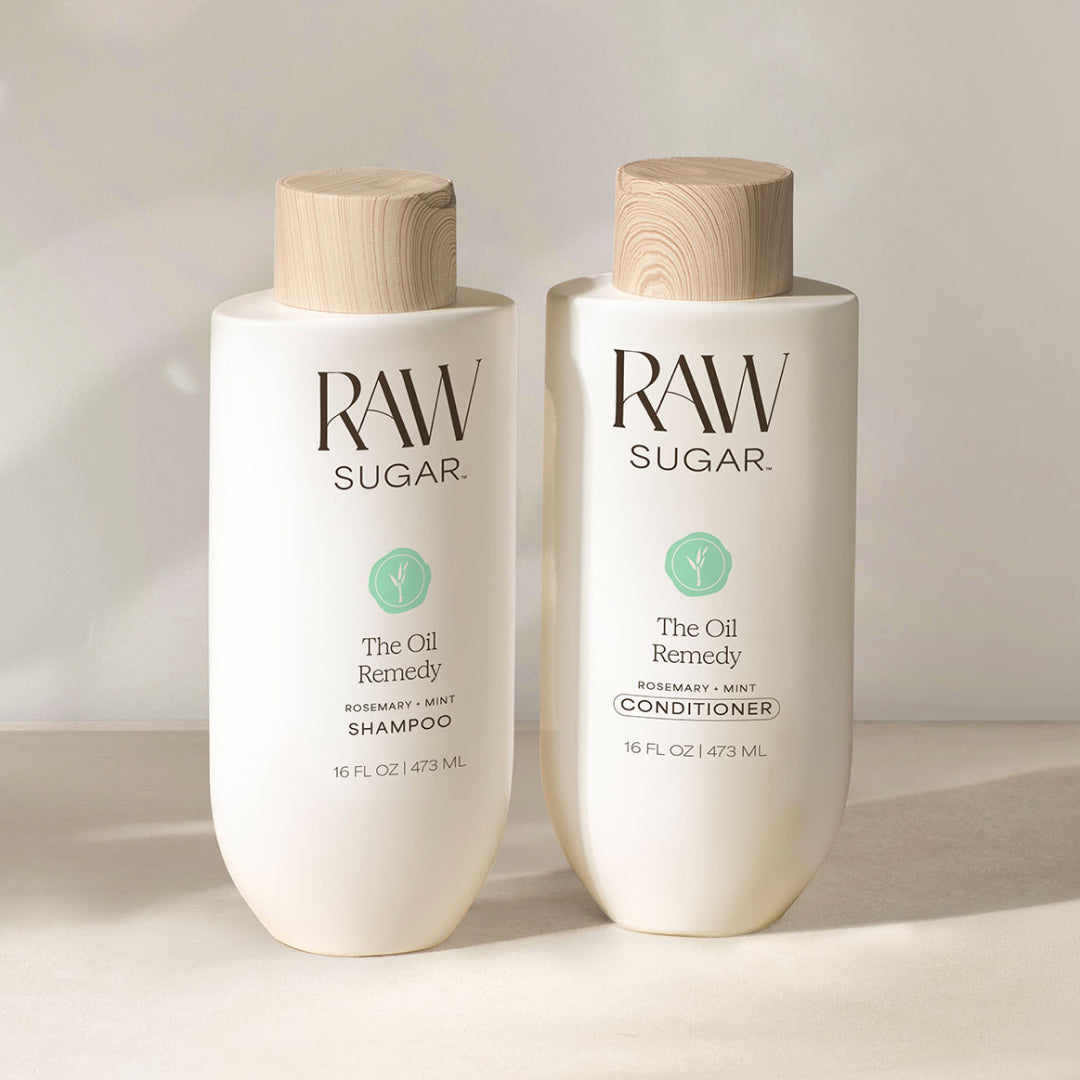
For oily scalps specifically, The Oil Remedy Shampoo in Rosemary + Mint is formulated to address excess oil without stripping the scalp entirely. Rosemary has a well-documented association with scalp health and circulation, and the formula cleanses thoroughly while leaving the scalp balanced rather than squeaky-clean and reactive.
Conditioning Without Weighing Roots Down
Conditioner should never go on the scalp if you have oily roots. Apply it from mid-shaft to ends only, two to three inches away from the roots at minimum. This gives the lengths the moisture they need without adding anything to the scalp that will contribute to greasiness. Silicone-heavy conditioners are particularly worth avoiding for oily hair because they coat the hair shaft and can migrate toward the roots, adding weight and a greasy appearance faster than a lighter formula would.
The The Oil Remedy Conditioner is formulated to pair with the shampoo: light enough not to weigh oily hair down, conditioning enough to keep the mid-shaft and ends feeling soft and manageable. Used on ends only, it gives the lengths what they need without adding anything near the scalp.
What to Do on Non-Wash Days
The gap between washes is where most oily-hair routines fall apart. By mid-afternoon on day two, roots can look flat and greasy, and the instinct is to wash again. This is where a dry shampoo used correctly makes the whole every-other-day schedule work. The Not So Dry Shampoo in Aloe + Bamboo is a lotion formula, so apply a dime-sized amount directly to the roots with your fingertips. Then wait. This is the step most people skip: let it sit for thirty to sixty seconds before massaging in and brushing through. The bamboo absorbs the oil during that window, and the aloe soothes the scalp rather than aggravating it. Skipping the wait step and massaging in immediately is why dry shampoo often looks white or feels heavy on the roots.
For a step further than just absorbing oil, The Rosemary Vinegar Rinse gives you a way to keep your scalp feeling clean without committing to a full wash. The formula combines Apple Cider Vinegar to help balance pH, mint to refresh the scalp, and rosemary to help support scalp health, working together to remove impurities without stripping natural oils or color.
Oily Roots, Dry Ends: How to Handle Both
Having an oily scalp and dry ends at the same time is more common than most people realize, and it requires treating two different problems within the same routine. The scalp needs oil control. The ends need moisture. Using the same approach on both is what causes one or the other to get worse.
The fix is zonal. Use a scalp-focused shampoo massaged into the roots only and let it rinse through the lengths without scrubbing. Apply conditioner from mid-shaft to ends only and keep it well away from the scalp. On wash days when your ends feel particularly dry, leave the conditioner on for three to five minutes before rinsing. Once a week, swap your regular conditioner for a hair mask applied to the lengths and ends to restore deeper moisture. This gives the scalp the oil control it needs while the ends get the hydration they are missing.
For a fuller routine built around your specific combination of concerns, the Raw Sugar hair routine finder is the best place to start.
The Raw Sugar Oily Scalp Routine
Here is how we would put this together using Raw Sugar products.
On wash days, start with The Oil Remedy Shampoo applied directly to the scalp. Massage thoroughly with fingertips, rinse with cool water, and feel the difference a shampoo formulated for your specific issue makes compared to a generic option.
Follow with The Oil Remedy Conditioner applied from mid-shaft to ends only. Leave it on for two to three minutes, then rinse with cool water. This step gives the lengths what they need without interfering with the scalp control you just achieved.
On off days, reach for The Not So Dry Shampoo. Apply a small amount to the roots, wait thirty to sixty seconds, then massage in and brush through. It absorbs the oil that has built up since your last wash and keeps roots looking fresh without triggering the rebound cycle that daily washing causes.
If you want more than just oil absorption without a full wash, apply The Rosemary Vinegar Rinse in shower instead of your shampoo. Wet scalp and hair and squeeze out any excess water. Using the bottle tip to create small sections in hair, squeeze product directly onto scalp. Massage in and work through hair from root to tip. Leave in for 1-3 minutes, and then rinse clean.
Find Your Fix for Oily Roots
Managing oily hair is mostly about breaking the habits that are making it worse. Washing less, applying shampoo to the scalp rather than the lengths, keeping conditioner on the ends only, and using dry shampoo correctly on off days — those four changes make up the core of a routine that actually works.
The adjustment period is real. Your scalp will take a week or two to stop overproducing oil once you stop stripping it daily. Stick with the routine through that window and the results will follow.
Shop The Oil Remedy Shampoo and The Oil Remedy Conditioner, formulated with Rosemary + Mint to balance your scalp without stripping it.